
Alternative Heating
Most Comox residents have heating costs on the brain. Whether primarily heating their homes with oil, gas or electricity, local families are struggling to meet the challenge of record-high energy costs this winter. While the projected rise in heating costs this winter could be devastating for many wallets, increased use of alternative heating equipment – like pellet stoves, wood stoves and space heaters – could have an even more devastating effect on the already serious home heating fire problem.
As a leading cause of home fires, heating is a concern for every community every winter. This year, with the projected increase in use of alternative heating equipment, families need to be especially vigilant to use all heating appliances properly.
Alternative heating sources are not inherently a greater fire risk; with caution they can be used safely. That’s why Comox Fire Rescue is encouraging residents using pellet stoves, wood stoves, space heaters or any other non-traditional home heating equipment this winter to follow this advice:
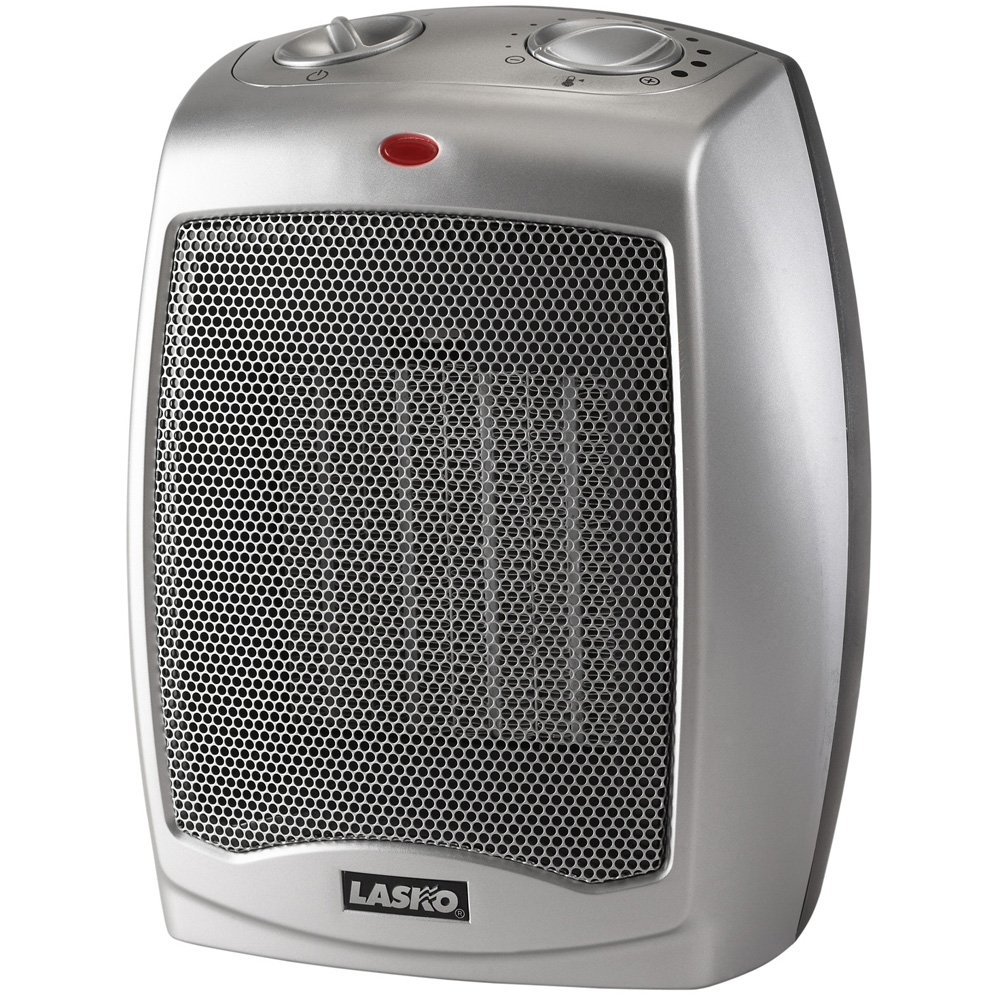
Portable electric space heaters
Turn heaters off when you go to bed or leave the room.
Use and purchase portable space heaters with an auto shut off so if they’re tipped over they will shut off.
Place space heater on solid, flat surface at least 3 feet away from anything that can burn.

Fuel-burning space heaters
Always use the proper fuel as specified by the manufacturer.
When refueling, allow the appliance to cool and refuel outside or in a well-ventilated area.
If the pilot light of your gas heater goes out, allow 5 minutes or more for the gas to go away before trying again, do not allow gas to accumulate, and light the match before you turn on the gas to the pilot to avoid risk of flashback.

Wood and pellet-burning stoves
Wood stoves should bear the label of a recognized testing laboratory.
In wood stoves, burn only dry, seasoned wood. In pellet stoves, burn only dry, seasoned wood pellets.
Keep the doors of your wood stove closed unless loading or stoking the live fire.
At best, not heeding this advice could result in superficial property damage. At worst, you could lose loved ones who may be unable to escape the rapid course of a preventable fire, as well as the comfort and safety you’ve always felt in your home. And, please install a carbon monoxide alarm in your home to protect your family from this silent killer. Please join Comox Fire Rescue in ensuring that our community is safe from heating fires this winter.
Public Access AEDs
The Use of Automatic External Defibrillators (AEDs) in Public Settings Helps Saves Lives
Sudden cardiac arrest (SCA) can strike at any time—during work, while at church, or while visiting your local business. Fewer than 10% of SCA victims typically survive, but studies show that 30% to 50% would likely survive if CPR and AEDs were used within five minutes of collapse. Communities across the country are responding by implementing Public Access Defibrillation programs. Public Access Defibrillation programs include both access to AEDS and training.
Comox Fire Rescue knows the value of AEDs as we carry AEDs on most of our emergency vehicles and also have one mounted in our fire station. We currently have about twenty-four public access AEDs in our community.
We are hoping to have more and more public access AEDs available in our community, particularly in local business where many of our citizens spend a lot of time. Our long term goal is to have an AED available in almost every business. Public access AEDS are very simple to use, maintain and do save lives!


A public access AED can be placed where the public can access it or placed at your service counter/reception area with signage in your business indicating it’s availably. A public access AED located in your business can help to save the life of a valued customer, staff member or even yourself.
Chimney Fires
Chimney Fires
With proper care, chimney fires are entirely preventable.
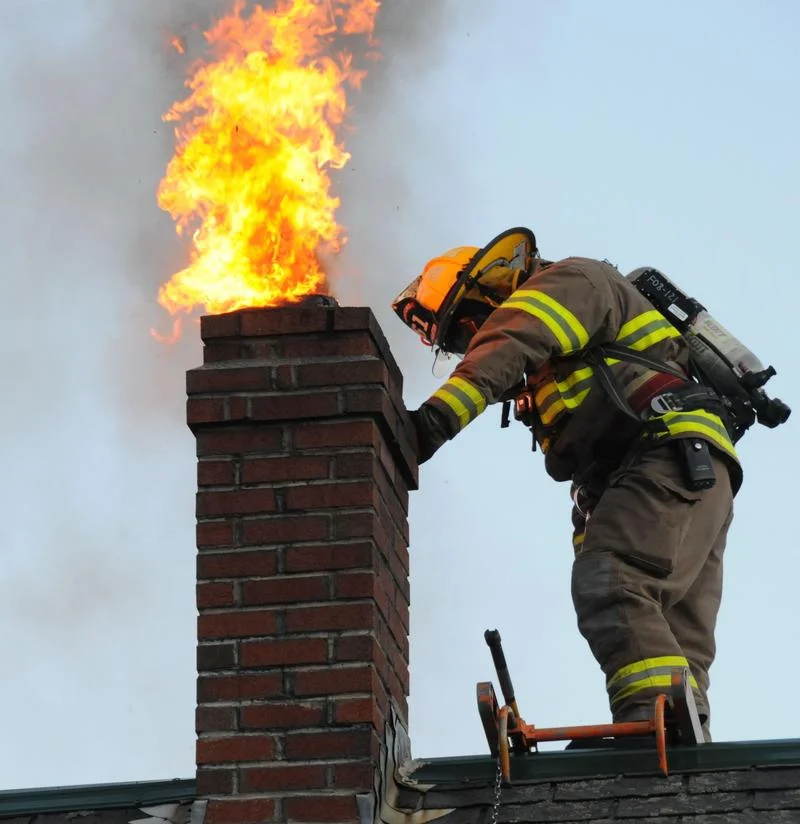
As you snuggle in front of a cozy fire or bask in the warmth of your wood stove, you are taking part in a ritual of comfort and enjoyment handed down through the centuries. The last thing you are likely to be thinking about is the condition of your chimney. However, if you don’t give some thought to it before you light those winter fires, your enjoyment may be very short-lived. Why? Dirty chimneys can cause chimney fires, which damage structures, destroy homes and injure or kill people.
Indications of a chimney fire have been described as creating loud cracking and popping noise, a lot of dense smoke, and an intense, hot smell.
Chimney fires can burn explosively – noisy and dramatic enough to be detected by neighbors or people passing by. Flames or dense smoke may shoot from the top of the chimney. Homeowners report being startled by a low rumbling sound that reminds them of a freight train or a low flying airplane. However, those are only the chimney fires you know about. Slow-burning chimney fires don’t get enough air or have fuel to be dramatic or visible. But, the temperatures they reach are very high and can cause as much damage to the chimney structure – and nearby combustible parts of the house – as their more spectacular cousins.
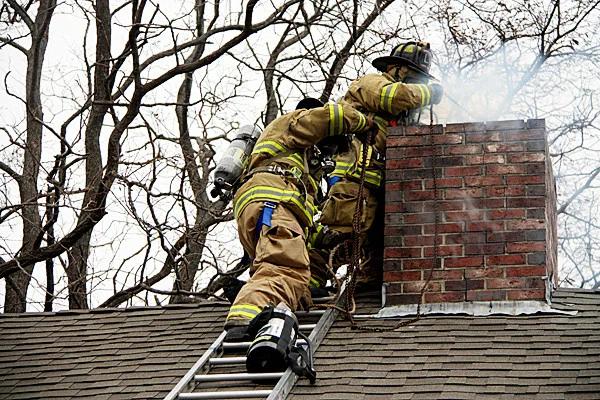
Clean chimneys don’t catch fire. Make sure a certified chimney sweep inspects your solid fuel venting system annually, and cleans and repairs it whenever needed. Your sweep may have other maintenance recommendations depending on how you use your fireplace or stove.
Halloween Safety Tips

Everyone wants to have a safe and Happy Halloween for themselves, their guests, and their children. Using safety tips and common sense can help you make the most of your Halloween season and make it as enjoyable for your kids as it is for you!
TIPS TO KEEP KIDS SAFE
Kids always want to help with the pumpkin carving. Small children shouldn't be allowed to use a sharp knife to cut the top or the face. There are many kits available that come with tiny saws that work better then knives and are safer, although you can be cut by them as well. It's best to let the kids clean out the pumpkin and draw a face on it, which you can carve for them.
Help your child pick out or make a costume that will be safe. Make it fire proof, and make sure the eye holes are large enough for good peripheral vision.
Make sure your yard is clear of such things as ladders, hoses, dog leashes, and flower pots that can trip up the little ones.
If you set jack-o-lanterns on your porch with candles in them, make sure that they are far enough out of the way so that costumes won't accidentally be set on fire.
Make sure that if your child is carrying a prop, such as a scythe, butcher knife or a pitchfork, that the tips are smooth and flexible enough to not cause injury if fallen on.
Treating your kids to a spooky Halloween dinner (I know; good luck but try anyway) before sending them out will make them less likely to eat the candy they collect before you have a chance to check it for them.
Teaching your kids basic everyday safety such as not getting into cars or talking to strangers, watching both ways before crossing streets and crossing when the lights tell you to, will help make them safer when they are out Trick or Treating.
Teach your kids to stay away from and don't pet animals that they don’t know, and remember even ones they do know can be stressed and scared and may not recognize them in their costume.
Explain to older children the difference between tricks and vandalism. Throwing eggs at a house may seem like fun but they need to know the other side of the coin as well; clean up and damages can ruin Halloween for somebody else. If they are caught vandalizing, make them clean up the mess they've made.
Explain to older children that animal cruelty is not acceptable. Kids may know this on their own but peer pressure can be a bad thing. Make sure that they know that harming animals is not only morally wrong but punishable by law and will not be tolerated.
TIPS TO KEEP PETS SAFE AND AT EASE

Leaving your pets outside on Halloween is not a god idea; dogs and cats can scare easily with all the trick-or-treaters coming to your house.
As much as your dog or cat may beg for some of your Halloween candies, always remember that chocolate is deadly to them in any amount.
Dogs can have lethal tails, wagging all over the place. Don't leave any lighted candles or Jack-O-Lanterns where they could be knocked over by a swinging tail or by a curious cat. Not only could your pet start a fire but they could severely burn themselves in the process.
If you are going to dress your pet in a costume, keep in mind that unless the dog or cat is extremely receptive to this kind of thing, you could be causing it discomfort and stress. Some animals don't mind at all but others do not want to be bothered with this kind of thing. They'll be under enough stress with the festivities going on outside and people at the door constantly so don't cause them any more nervousness then you have to. You may love to dress in costume but then, you aren't a dog or a cat.
If you put a mask of some type on your animal, make sure that the eye holes are big enough for them to see peripherally. Animals depend on their vision to let them know what's going on and even the nicest dog can get snippy if he can't see what's around him. In fact, masks really aren't a good idea.
If you are having an indoor party, make sure that you put your dog or cat in a room where they won't be disturbed. Unless your pet is ultra friendly and doesn't mind loud noises, music and lots of people you should keep them separate for the night. Also, be careful your cat or dog doesn't dart out through the open door as you hand out candy. Best bet is to just put them in a room with some food and water for the night and check on them once in a while to let them know everything is fine.
Stay safe and have fun!